Watches are the category in cruise retail where the gap between good execution and average execution is most visible in the numbers and most felt by guests.
We asked Keisha Daly, Harding+’s Watches Category Manager, what separates the partnerships driving flagship-level performance at sea from those simply sending standard assortment and hoping for the best. Her answer says as much about the cruise channel as it does about the category.
What makes cruise such a natural fit for watches?
Three things, and no other channel offers all of them together. The first is time - a week with the customer rather than an hour in an airport departure lounge. The second is environment - a modern cruise ship is a luxury hotel at sea, and watches sit naturally in that setting. The third is audience. Every guest on board has already self-selected as someone who values premium experiences, places, and moments. That is not a demographic description. It is a buying disposition. Watch brands that understand that arrive with a very different activation mindset to those treating cruise as another travel retail account.
How do guests actually behave when they are shopping for watches on board?
You are running two distinct retail experiences in parallel, and the best operations serve both well. First-time cruisers tend to shop through discovery - relaxed, emotionally driven, often partner-led conversations that lead somewhere neither guest had anticipated when they walked in. Experienced cruisers frequently plan their purchase before boarding. They know the savings, they know the exclusives, they have already decided on the category. They are coming to acquire, not to browse.
Both behaviours convert well. What cruise uniquely provides is the time and environment to support both properly - to let a discovery conversation develop over two days rather than two minutes, and to give a considered purchaser the service level that a decision of that size deserves.
How should watches be curated across different ships and itineraries?
Region and cruise line matter enormously. US, UK, and Australian markets have genuinely different brand affinities and price point behaviours, and a contemporary cruise line and a luxury line often want fundamentally different watch propositions. Curation has to follow guest profile and brand fit, not a fleet-wide standard.
One pattern consistently holds across the fleet: colder weather itineraries such as Norway and Alaska tend to outperform beach routes in this category. Part of that is an older, more affluent guest profile. Part of it is simply more time on board between excursions. Beach itineraries skew more towards gifting and entry-level price points. Neither is wrong - they just need a different proposition, and operators who recognise that are the ones maximising the opportunity.
What role do exclusives and brand partnerships play?
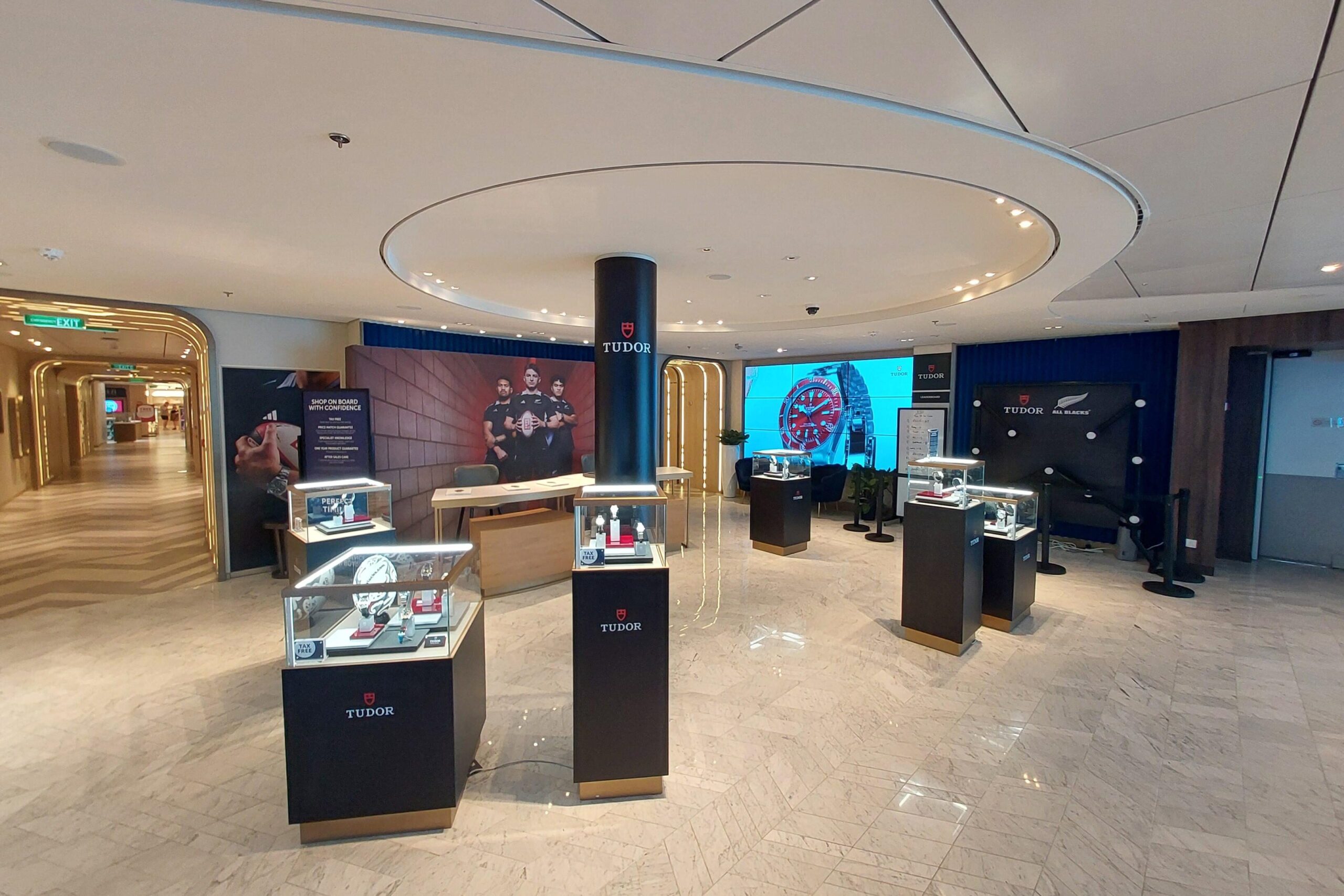
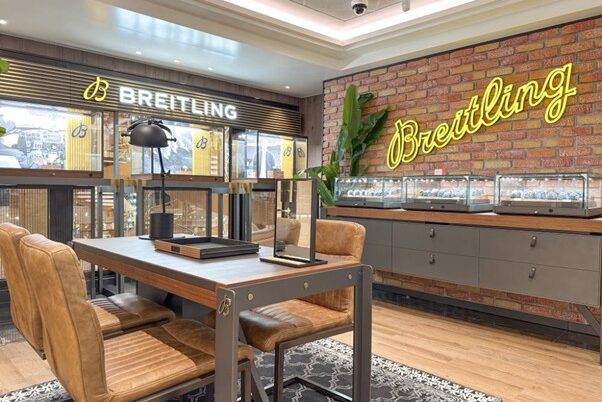
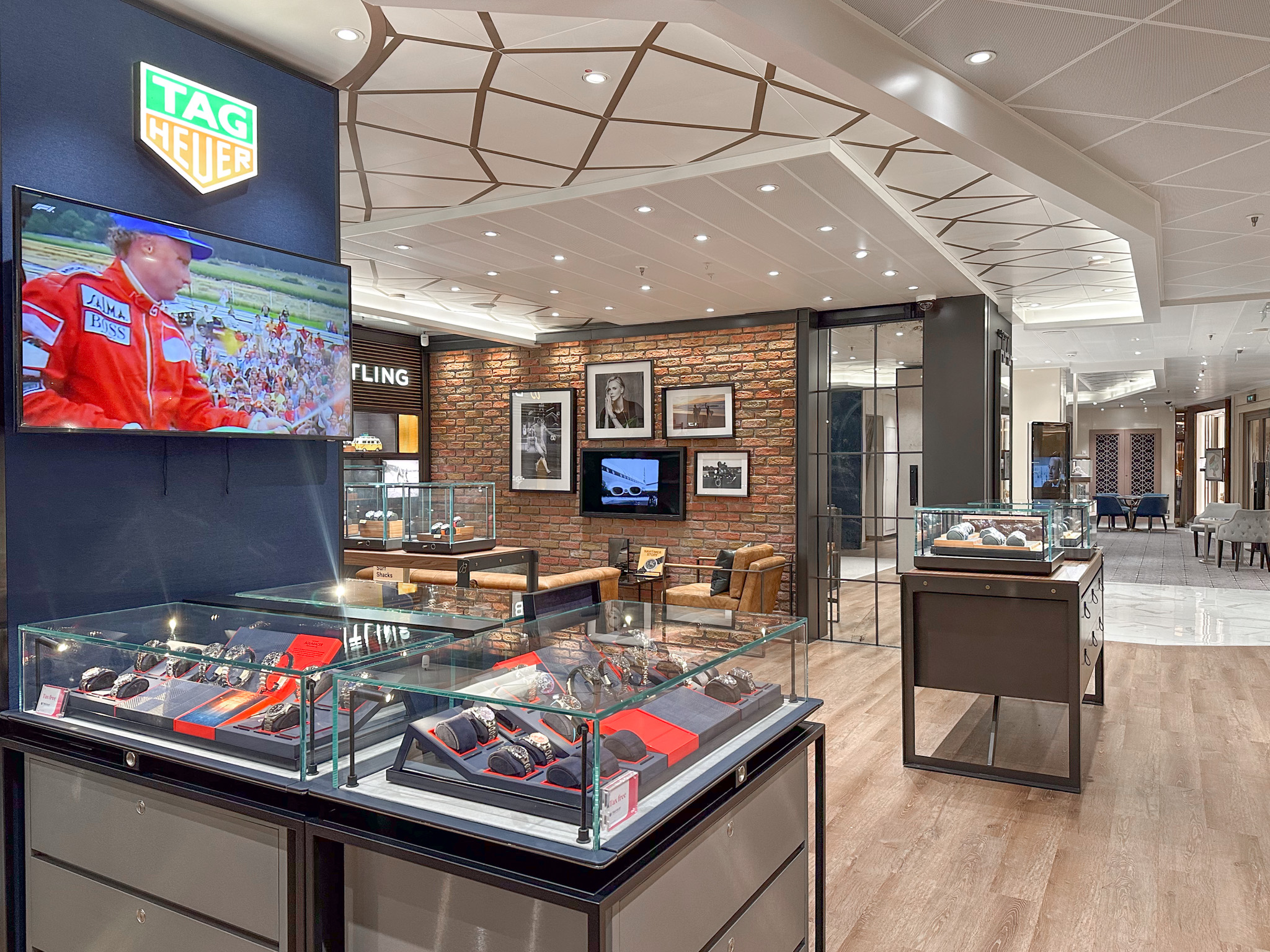
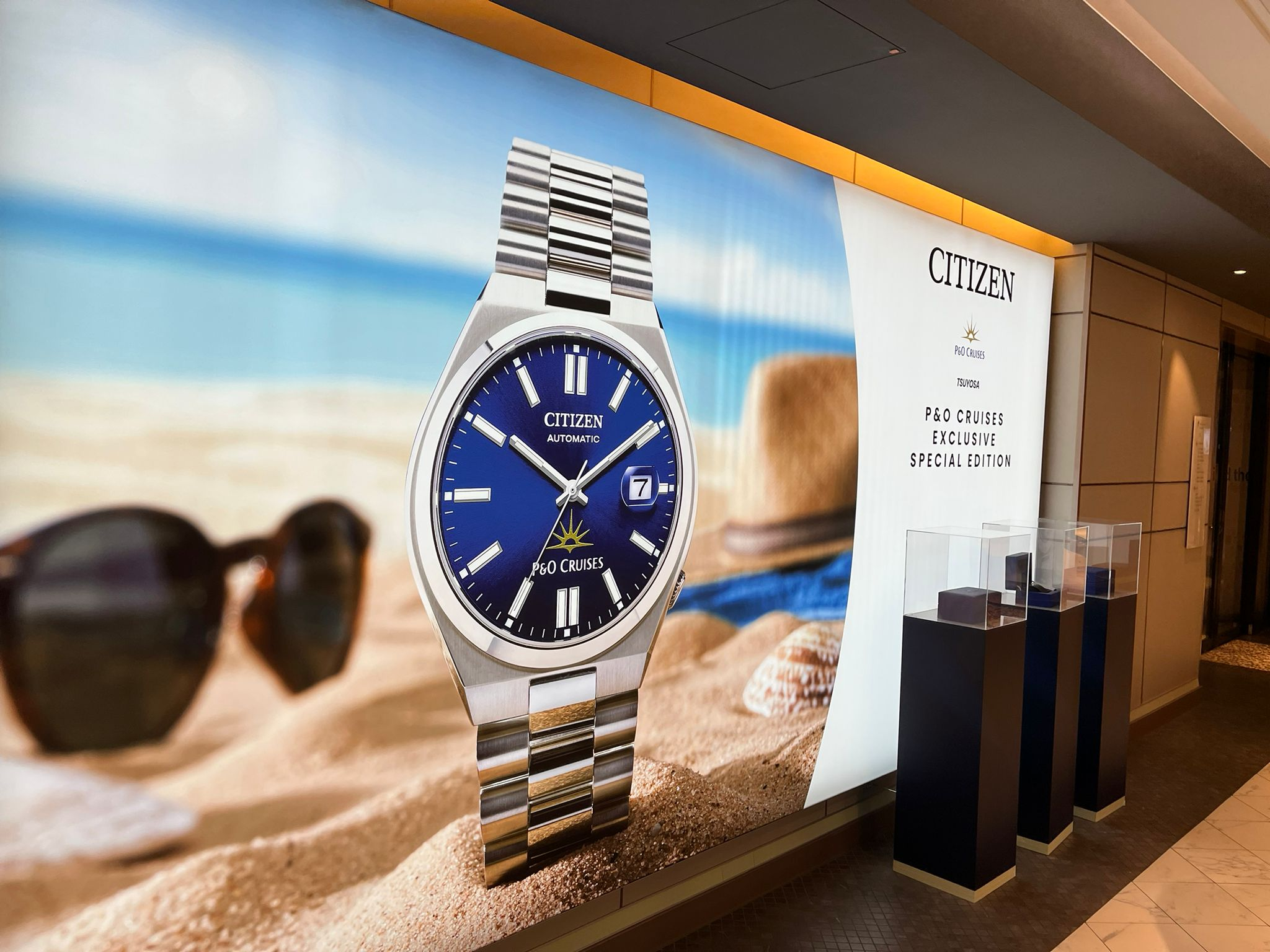
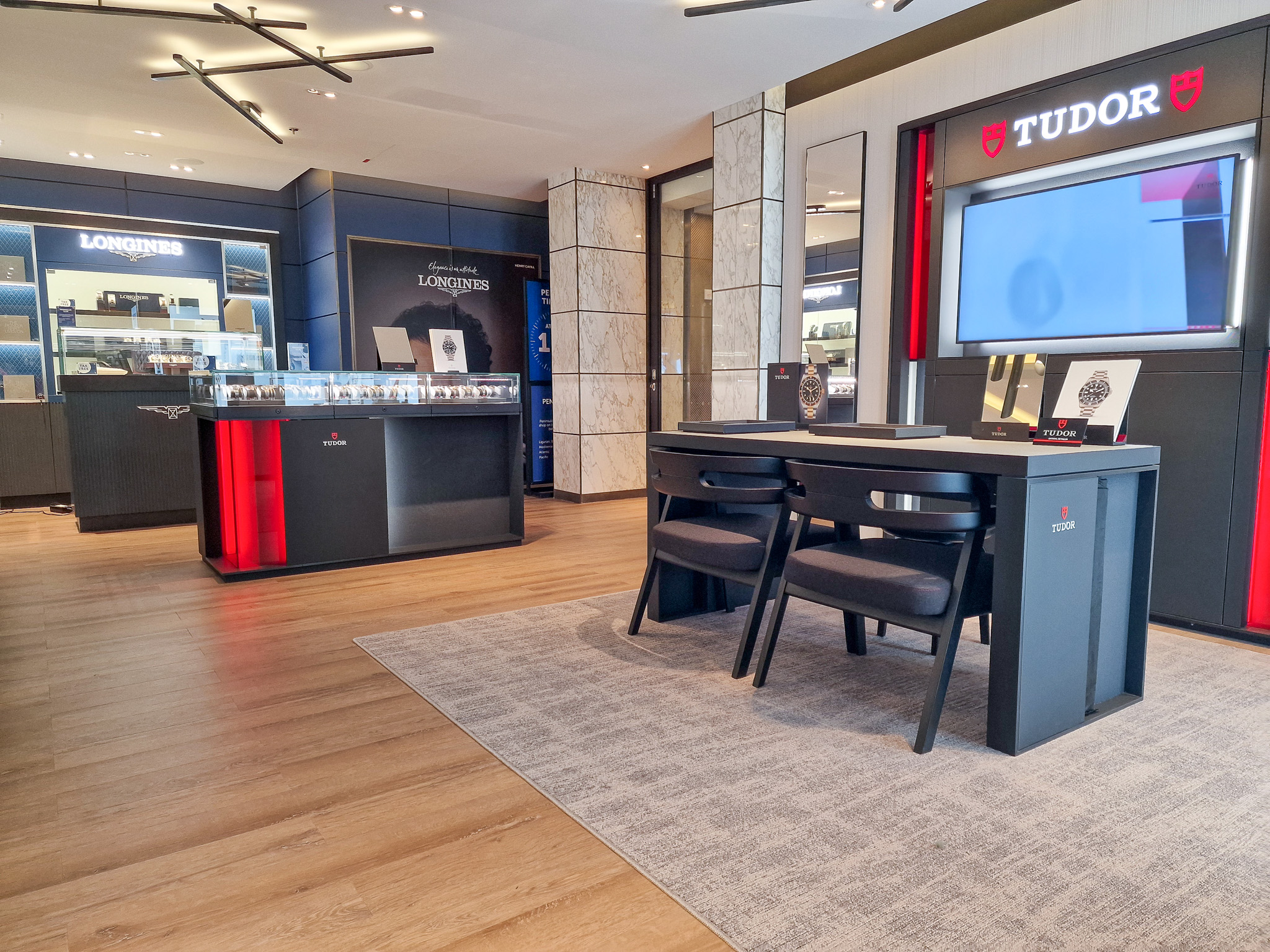
A significant one. Collaborations such as Princess x Breitling and P&O x Citizen have created genuine cultural moments on board - Breitling foosball tournaments during the Euros, Tudor reflex challenges linked to the All Blacks rugby tour - that drive incremental sell-through while giving guests an experience worth talking about. When a brand activation is both commercially effective and genuinely memorable, that is the standard to push for.
But beyond topical activations, the service infrastructure matters just as much. Private viewings for deeper brand education. Sizing services. Suite delivery. Staff training that turns retail teams into genuine brand ambassadors rather than product handlers. Exclusive SKUs and limited editions created specifically for cruise. Watch brands treating the channel as strategic are delivering measurable returns on all of those investments. The ones sending standard assortment with minimal activation are not keeping pace, and guests notice the difference.
What should cruise operators be paying attention to?
The performance numbers make the case plainly. Our top-performing ships for Tudor sit in the top 20 watch retail accounts in the UK. Not the top 20 cruise accounts - the top 20 across every flagship store, every department store concession, and every specialist retailer in the country. That is what cruise can deliver for a watch brand when the environment, the audience, and the execution are aligned.
Watches, done well, are not simply a revenue category. They are a guest experience driver. The moment a guest discovers an investment piece they had not been looking for, or walks away with a cruise-exclusive limited edition after a private viewing, becomes part of how they remember that voyage. Cruise operators winning in this category are treating it strategically - demanding activation investment, insisting on tailored curation, and holding brand partners to a flagship-level service standard. The commercial results, and the guest satisfaction scores, follow.
Many of the major watch brands now running cruise through dedicated travel retail or cruise-specific divisions see the channel as central to their strategic planning. The momentum, increasingly, is coming from the global level. The question for cruise operators is whether their onboard retail proposition is ready to meet it.
Hear how watch partnerships are driving guest experience and commercial performance
Email us to start the conversation →