The cruise retail channel has never had more data. Guest behaviour, purchase patterns, dwell time, category preferences, cabin-level spend signals - the insight available today would have been unimaginable 10 years ago. And the opportunity it reveals is genuinely compelling: higher footfall than airports, stronger conversion, 44% more spend per transaction, and a guest who plans their purchases before they even step on board.
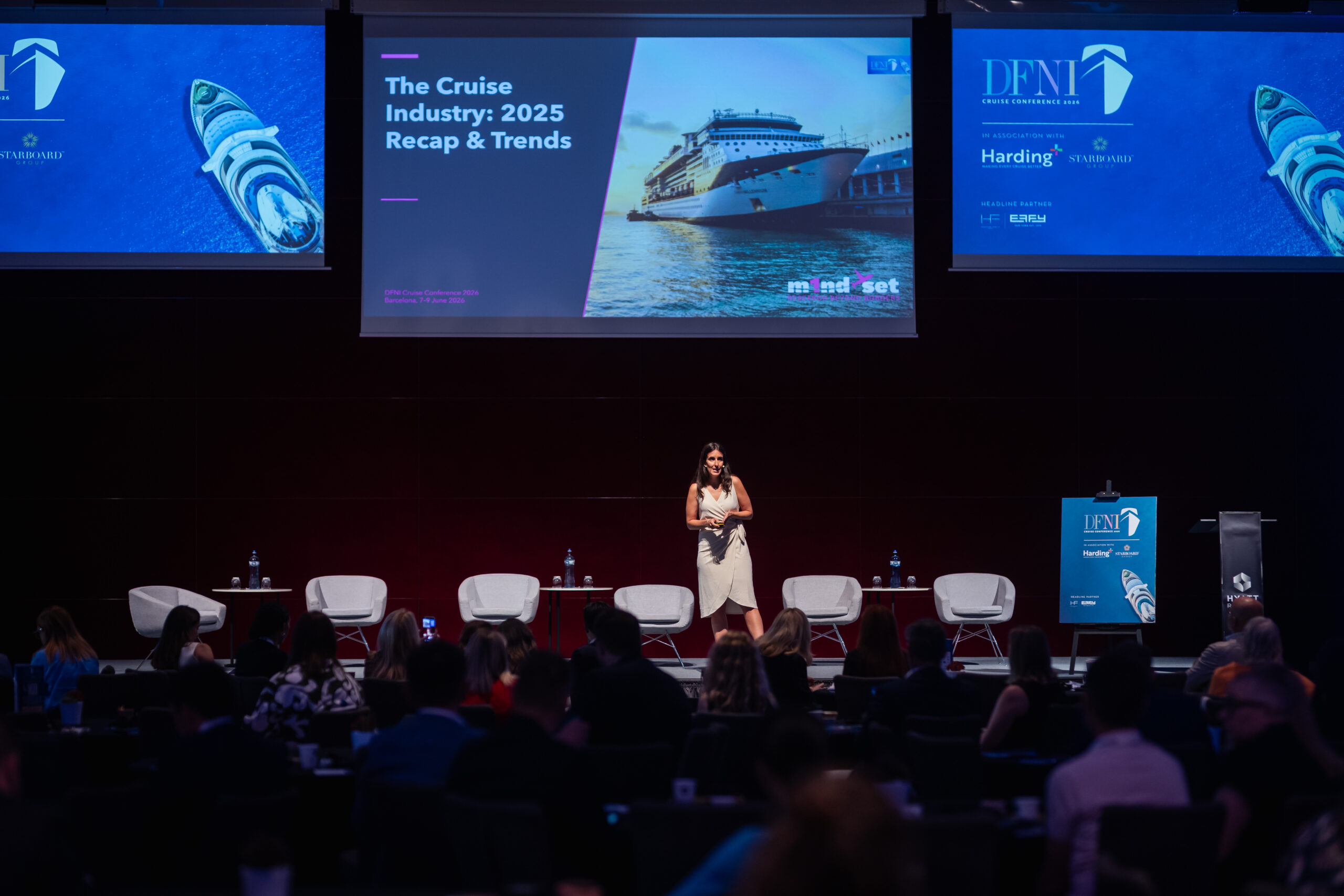
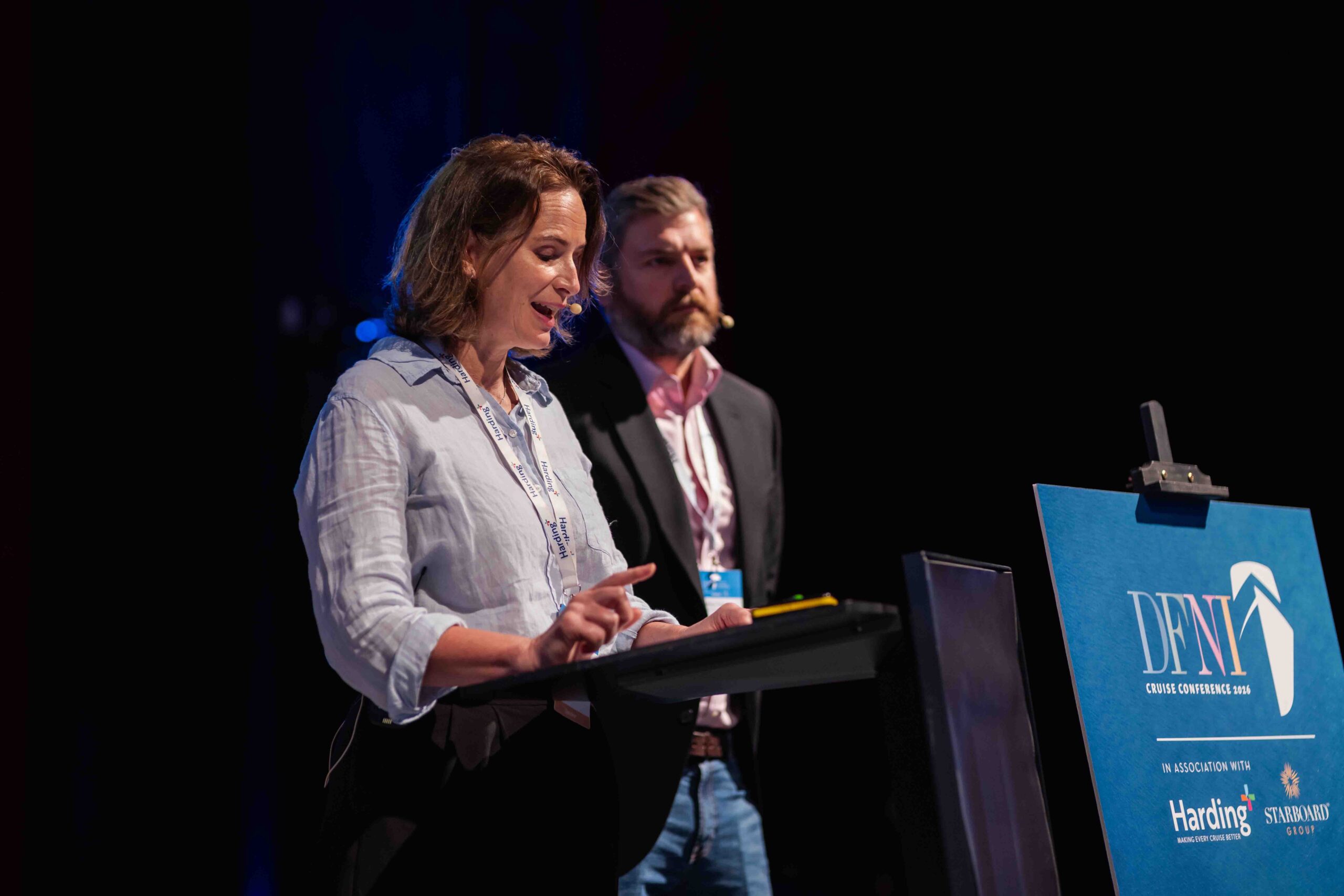
At the DFNI Cruise Conference in Barcelona this month, that opportunity was the backdrop to every conversation. But so was a harder question: with all of this intelligence available, why are so many brands still approaching cruise the same way they always have?
The issue is not a lack of insight. It is what happens next. Insights only becomes valuable when it changes what you do. Did your product range evolve to reflect what cruise guests actually want? Did your activation plan shift? Did your exclusivity strategy change? If not, the insight may have been interesting. It wasn’t commercial.
What acting on insight actually looks like
At Harding+, we have spent the last few years pushing ourselves and our brand partners to close the gap between knowing and doing.
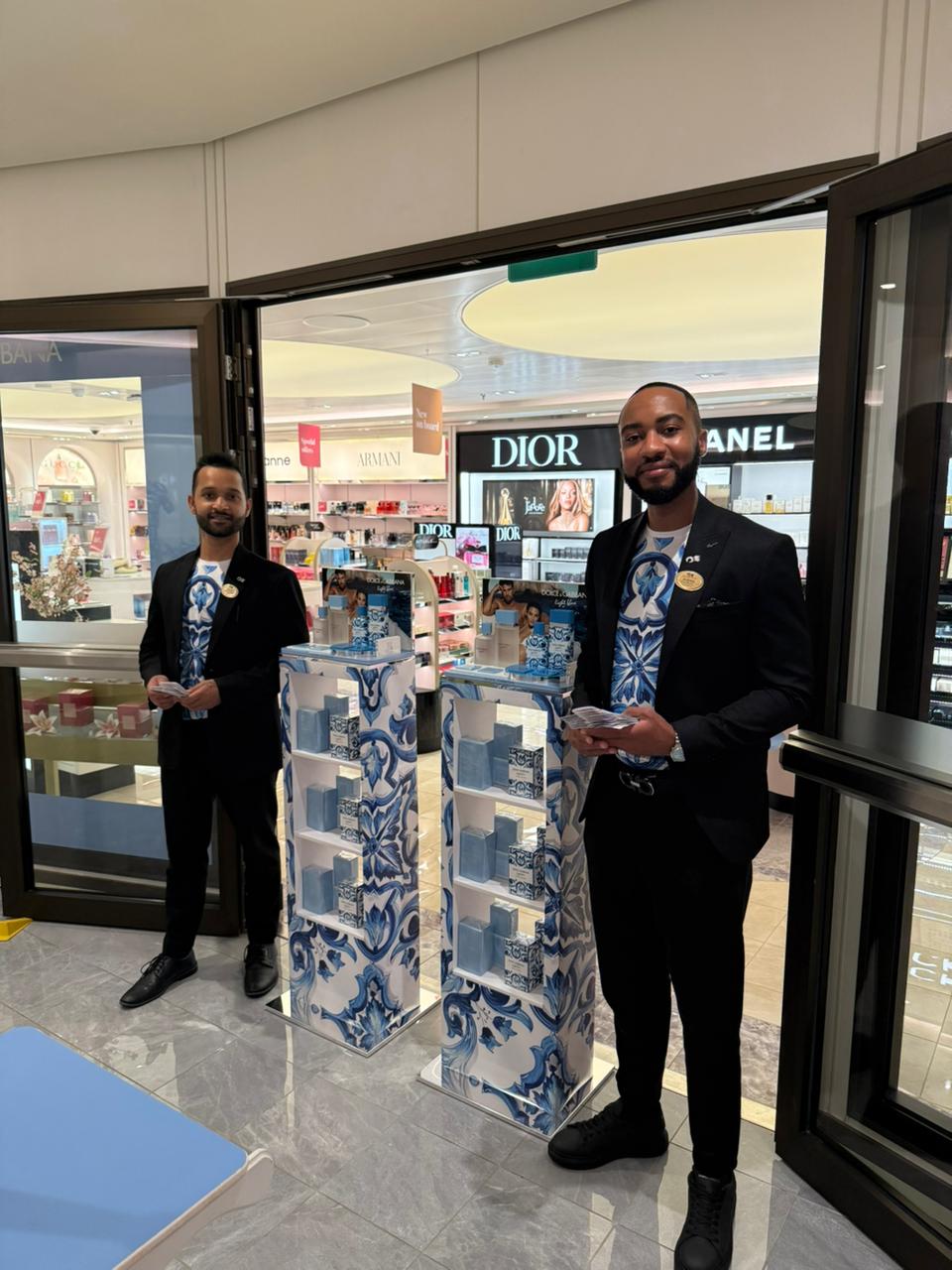
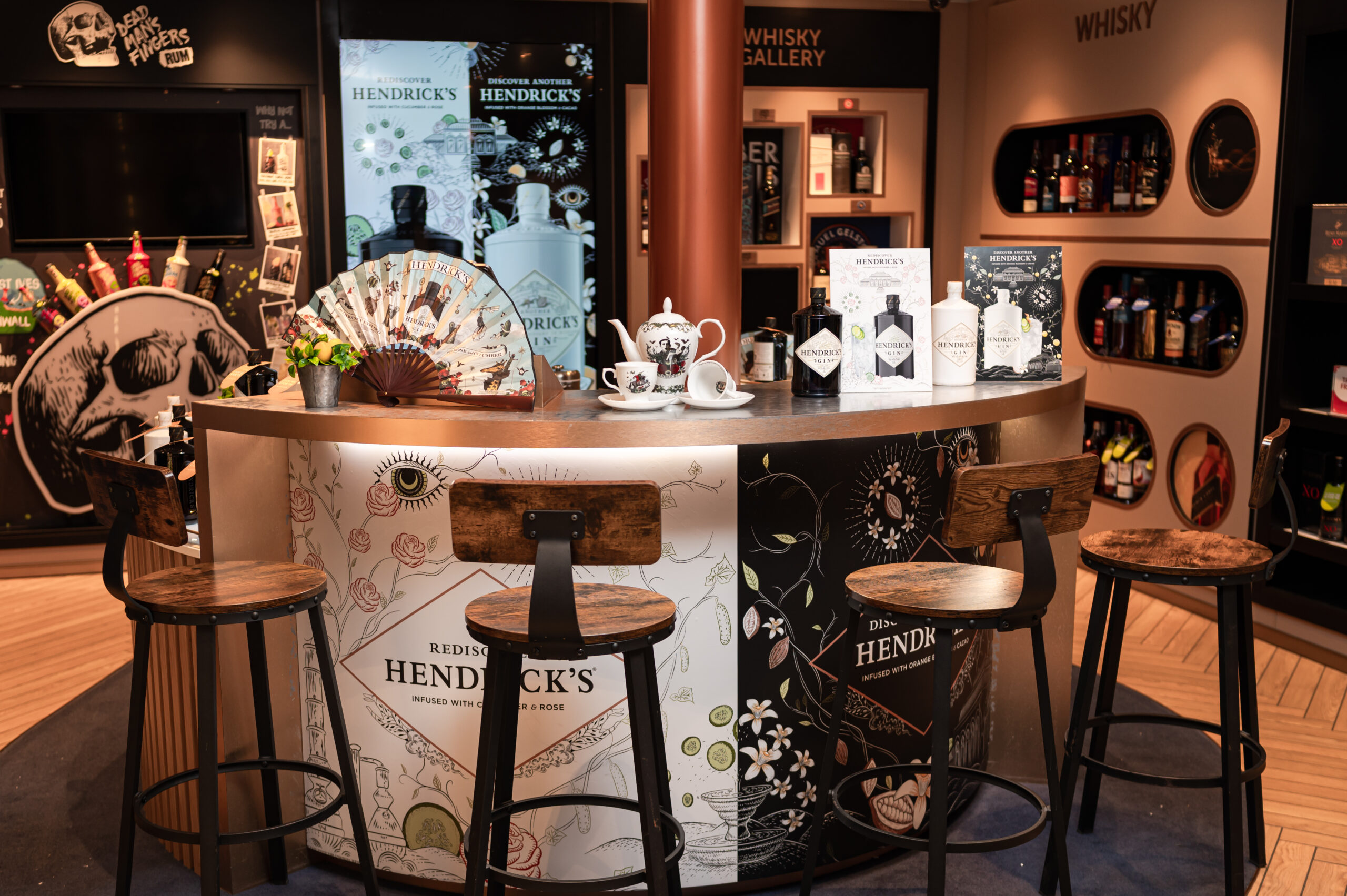
Our guest segmentation model draws on transaction records, cabin-level data (where it is available), and guest behaviour across thousands of sailings to build commercially actionable profiles, not demographic descriptions. That changes which products belong on which ships, which activations are worth investing in, and where brands should sit within the guest journey - not just within the store. Today, 25% of our retail footprint is dedicated to flexible, experiential space, because the data showed us that guests respond to engagement and we acted on it.
Destination insight determines which brands genuinely win at sea. Our Alaska proposition last year demonstrated that brands with an authentic connection to the destination - able to contribute to the story guests are living, not just occupy shelf space - drove a 59% year-on-year increase in destination-themed sales. Generic placement rarely achieves that.
Our Sonar platform provides a live channel between shipboard teams and our central operation, so that what is working and what is not on a sailing feeds back within hours. Brands that are willing to adapt their activation in response to those live signals consistently outperform those following a plan set three months before departure.
And the M1ndset research presented at DFNI made one point above all others that every brand in cruise should take seriously: 82% of cruise shoppers who interact with retail staff are influenced in their purchase decision. The colleague standing in front of your guest is your most powerful brand asset on board. Brands that invest in training those teams - equipping them with the product knowledge, the brand story, and the confidence to have a genuine conversation - see it directly in their results. Those that treat crew briefing as optional leave the most valuable lever in cruise retail largely untouched.
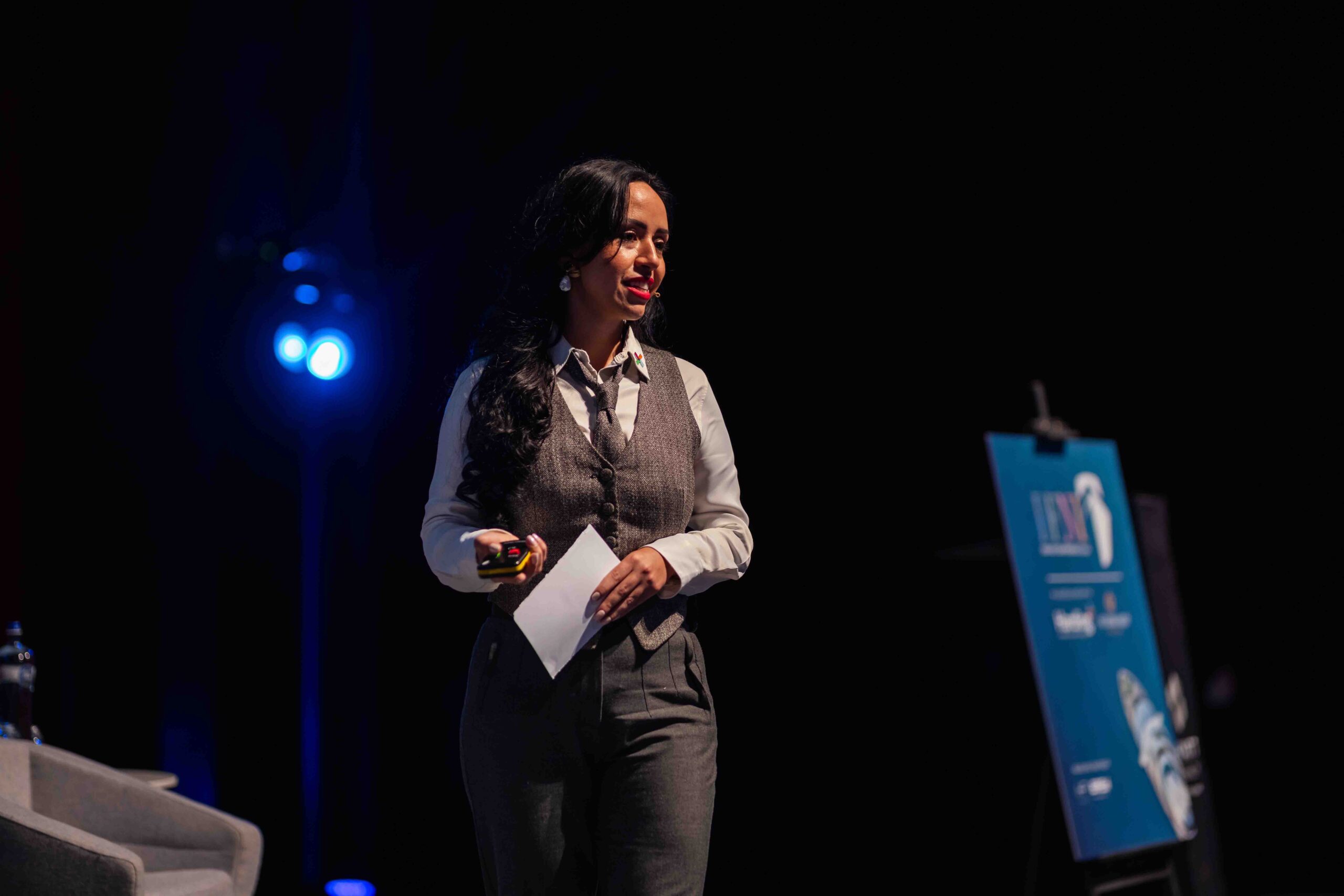
The questions worth asking:
What has genuinely changed in your cruise strategy because of what you have learned about this audience in the last 12 months? Are you partnering around destination authenticity, or defaulting to generic placement? Are you investing in experiential activation, or expecting shelf presence to do the work alone?
The brands winning on cruise are not simply better informed. They are faster to act on what guests are already telling them.
Ready to talk about your next activation?
Speak to our brand activations team →