A 59% year-on-year increase in destination-themed sales is a number worth pausing on. It did not come from a new product launch, a promotional push, or an expanded range. It came from a decision to align every element of the retail experience around a single idea: that Alaska should feel present in everything the guest encountered, from the ranging and the visual merchandising to the onboard events, the brand partnerships, and the way our teams told the story. When those things work together rather than independently, retail stops being a backdrop to the voyage and becomes part of it.
That alignment is harder to achieve than it sounds. Most cruise retail already nods to the destination - a locally sourced line, a themed display, a relevant category at the front of the store. Those things matter and guests notice them. But a nod is different from an immersion. The Alaska project taught us that the real step change comes when ranging, guest-facing communications, visual merchandising, and the onboard experience are all pulling in the same direction at the same time, so that every product the guest encounters reinforces where they are and why they came.
What that looked like in practice
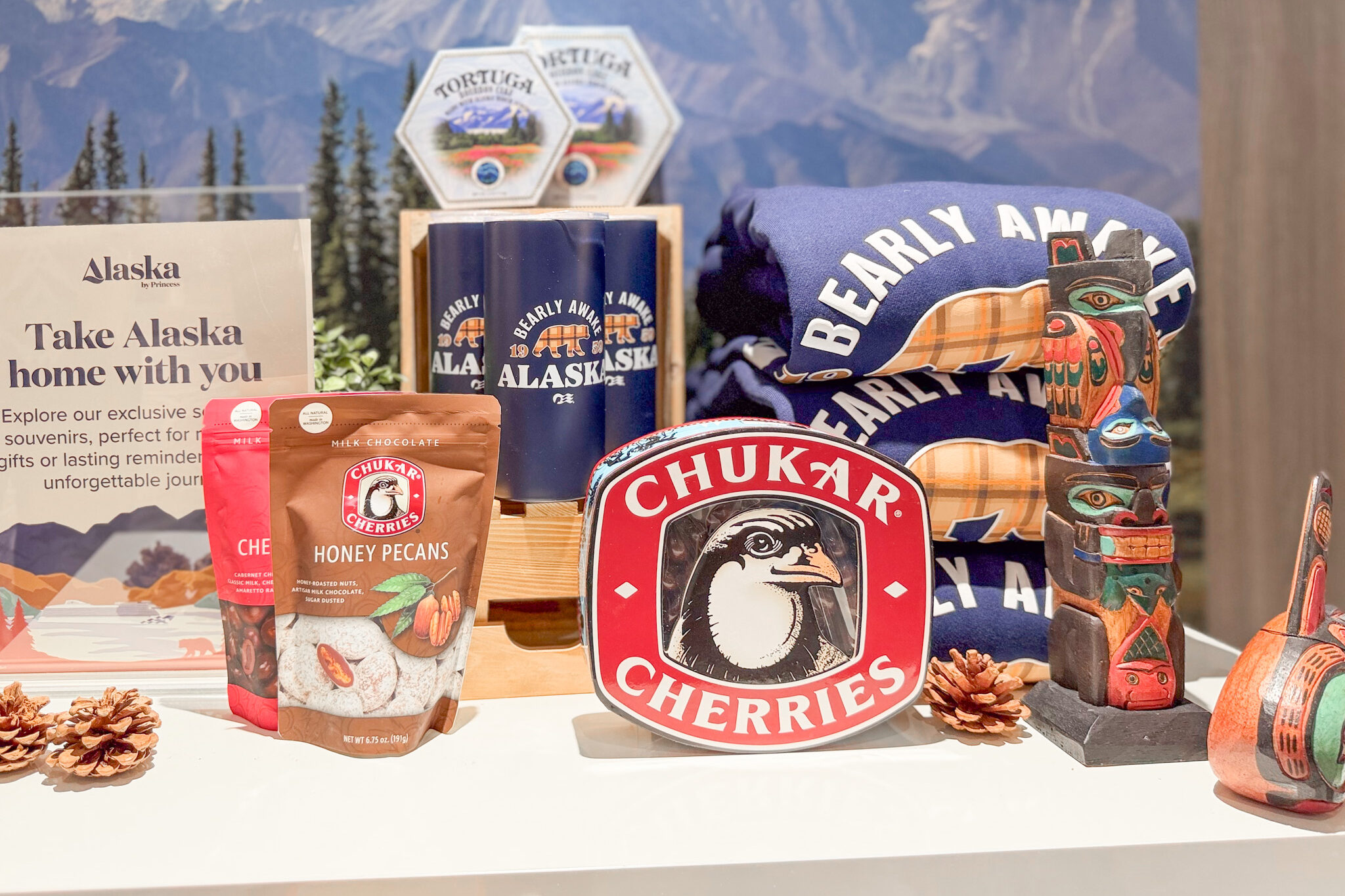
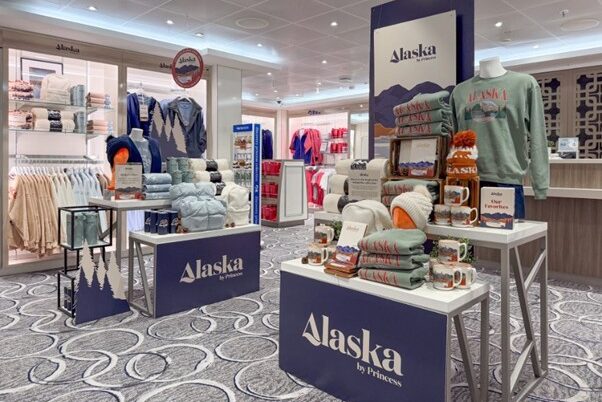
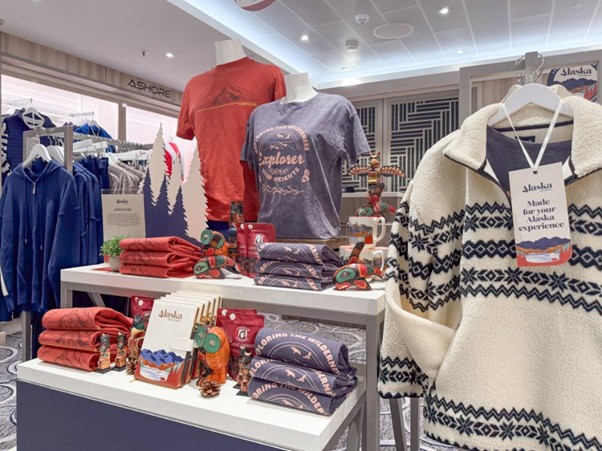
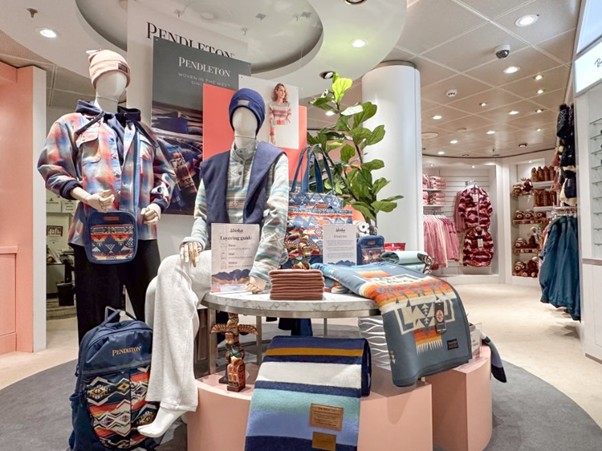
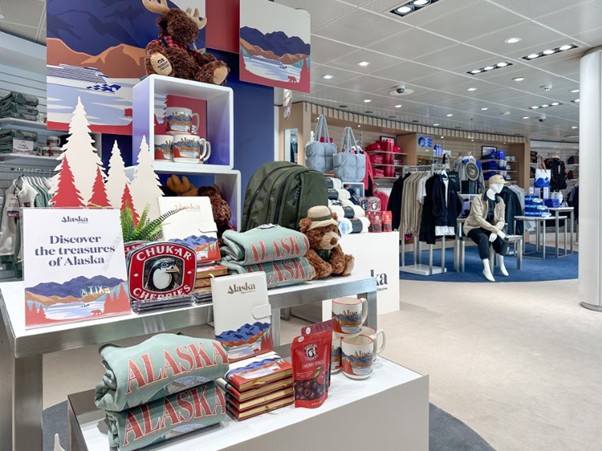
Our Alaska strategy was built around authentic partnerships - with Pendleton, Native Northwest, and local artisan producers - that gave the product range a genuine connection to the destination rather than an approximate one. Visual merchandising moved away from traditional retail layouts towards storytelling environments, with concepts designed to encourage exploration and return visits rather than a single transaction. A programme of onboard events, artisan showcases, and destination-led activations gave guests reasons to engage with retail as part of the cruise experience rather than separate from it.
The 59% sales increase was the outcome, but the more significant learning was what drove it. Guests engaged more broadly across categories. They returned more frequently. They spent longer in retail environments because those environments had something to say to them about the voyage they were on. The product was the same quality it had always been. The difference was that everything around it was working in the same direction.
Why it matters beyond Alaska
The Alaska project has since shaped how Harding+ thinks about destination retail across the fleet. The principle holds regardless of itinerary: the closer the alignment between what is ranged, how it is presented, and the story being told around it, the more retail feels like a natural part of the guest experience rather than an interruption to it.
For cruise lines, the commercial case is straightforward. Destination-led retail done well does not simply lift category sales. It increases dwell time, drives repeat visits within the voyage, and deepens the guest’s connection to the overall experience - which shows up in satisfaction scores as well as spend. Retail becomes one of the ways guests remember a voyage, not something they opted out of.
The opportunity is not a new category or more shelf space. It is making sure that when a guest walks through the retail environment on any itinerary, everything they see, hear, and are offered tells them they are exactly where they should be.
We would welcome a conversation about destination plans for the coming season
Get in touch with your Harding+ partner team →