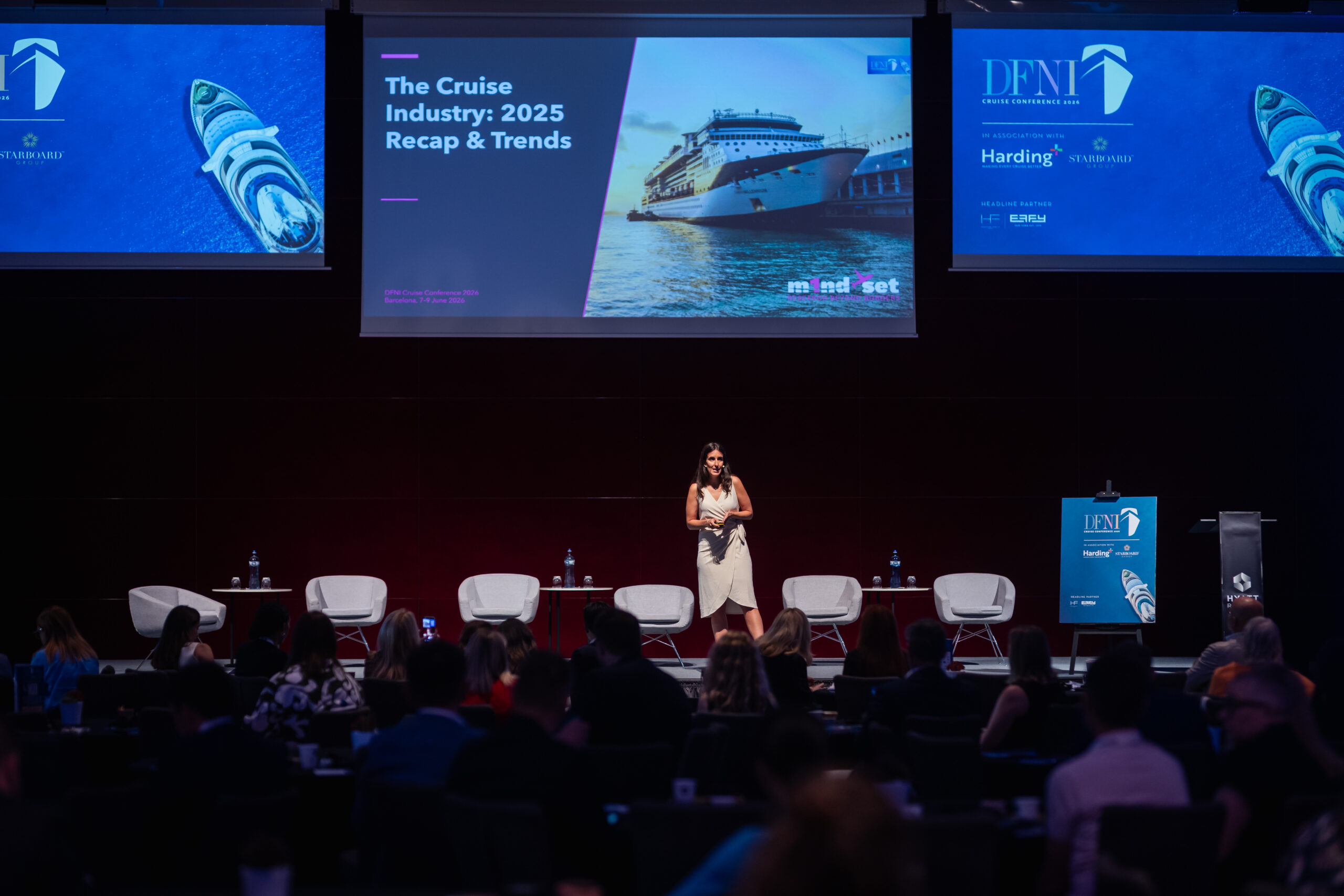
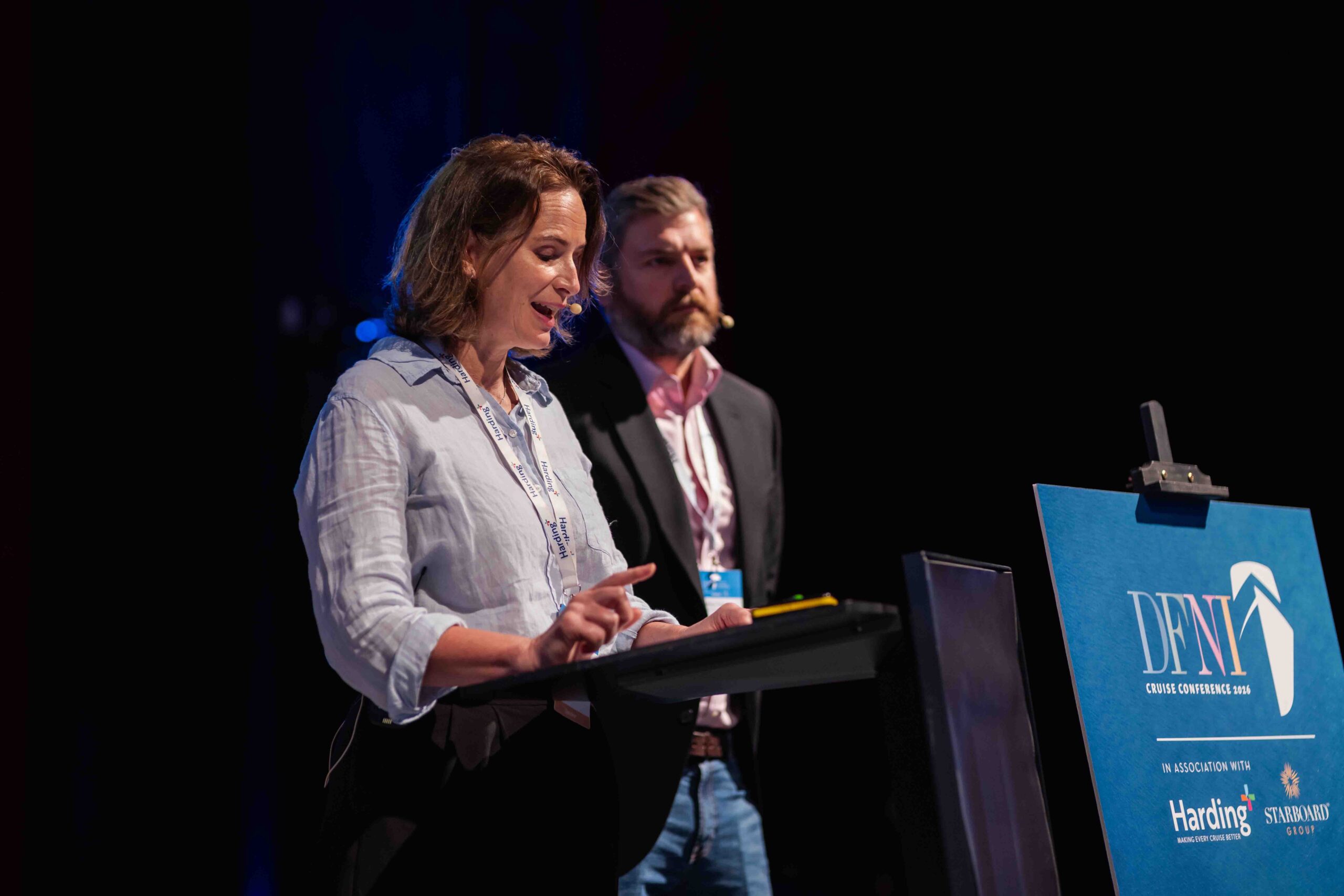
Earlier this month, the Harding+ team was in Barcelona for the DFNI Cruise Conference - 3 days of panels, research, and conversations with cruise line partners, brand partners, and peers from across the industry. The M1ndset research presented on the first morning confirmed what most in the room already sensed: the cruise shopper is engaged, prepared, and ready to spend. Higher footfall than airports, stronger conversion, 44% more spend per transaction, and 77% of purchases planned before the guest even boards. The structural advantages of this channel are real and growing.
What the conversations kept returning to, across every session and every workshop, was the same question. With everything we now know about our guests, what are we actually doing differently because of it?
The issue is not a lack of insight. It is what happens next.
Insight only becomes valuable when it changes behaviour. Did your range change? Did your activation plan change? Did your staffing model or training approach change? If not, the insight may have been interesting. It wasn’t commercial.
What acting on insight actually looks like
At Harding+, the last few years have been about closing that gap between knowing and doing - and the work we shared in Barcelona reflects that.
Our guest segmentation model draws on transaction records, cabin-level booking data (where available), social listening, and guest feedback across thousands of sailings to build genuinely distinct behavioural profiles. Not demographic descriptions - commercially actionable pictures of who is boarding which ship, on which itinerary, and what they are likely to want. That changes how we range our ships, how we allocate activation investment, and where within the guest journey we focus attention, not just within the store.
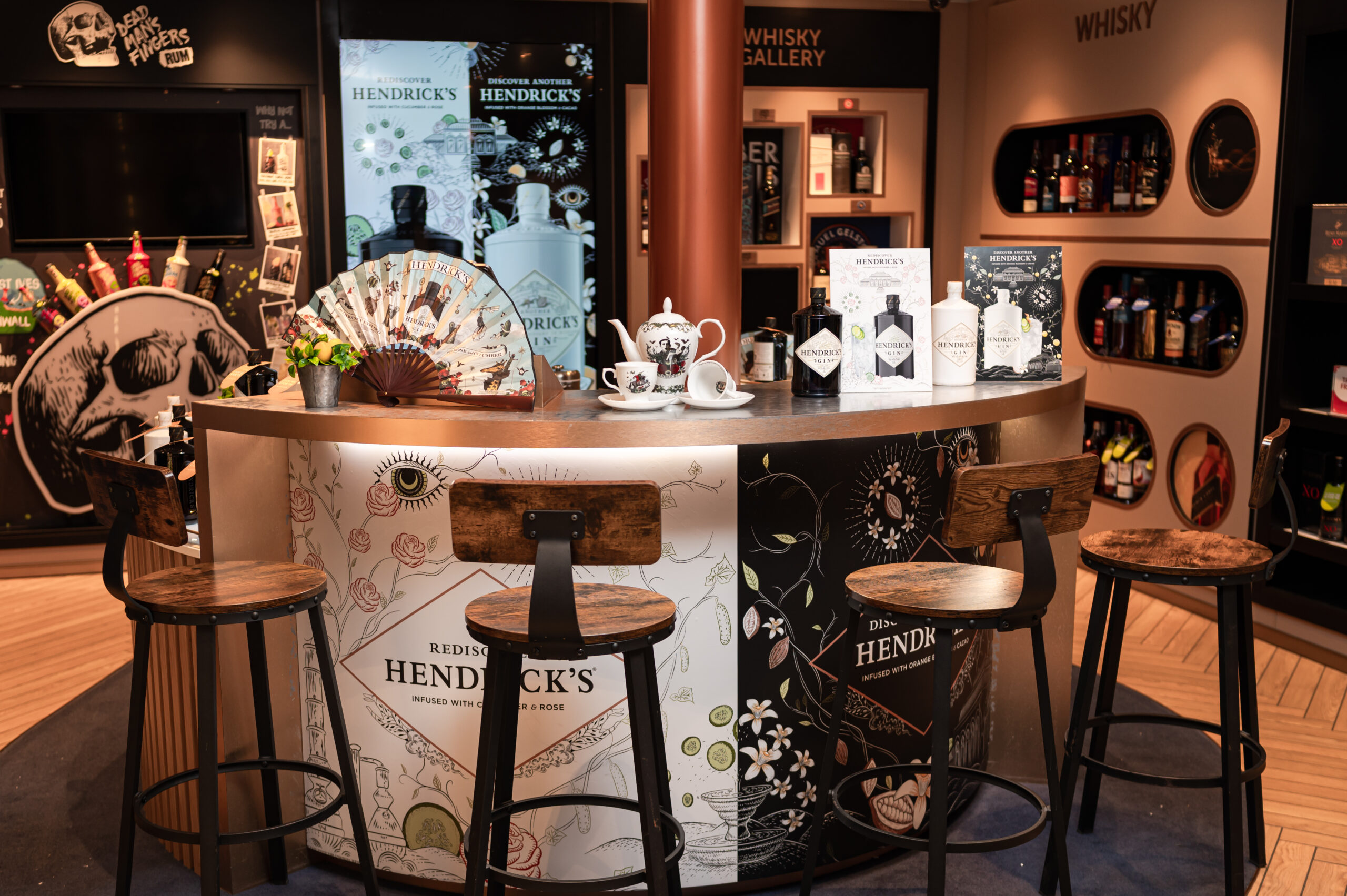
Today, 25% of our retail footprint is dedicated to flexible, experiential space, because the data showed us that guests increasingly value engagement alongside transaction, and we acted on it. Our Alaska proposition, built around destination relevance and genuine local connection, drove a 59% year-on-year increase in destination-themed sales last year. The same logic applies across every itinerary: the operators who use destination as a permission to deliver more relevant retail are the ones lifting performance.
AI-driven forecasting now delivers over 90% on-shelf availability across our fleet, because a guest who planned their purchase before boarding and arrives to find empty shelves is not a data failure - it is an execution failure. Our Sonar platform creates a live two-way channel with shipboard teams, so that what is actually happening on a sailing feeds back within hours, not weeks. Pricing, promotions, and activation decisions can adapt as the voyage unfolds rather than being fixed at departure.
The people point
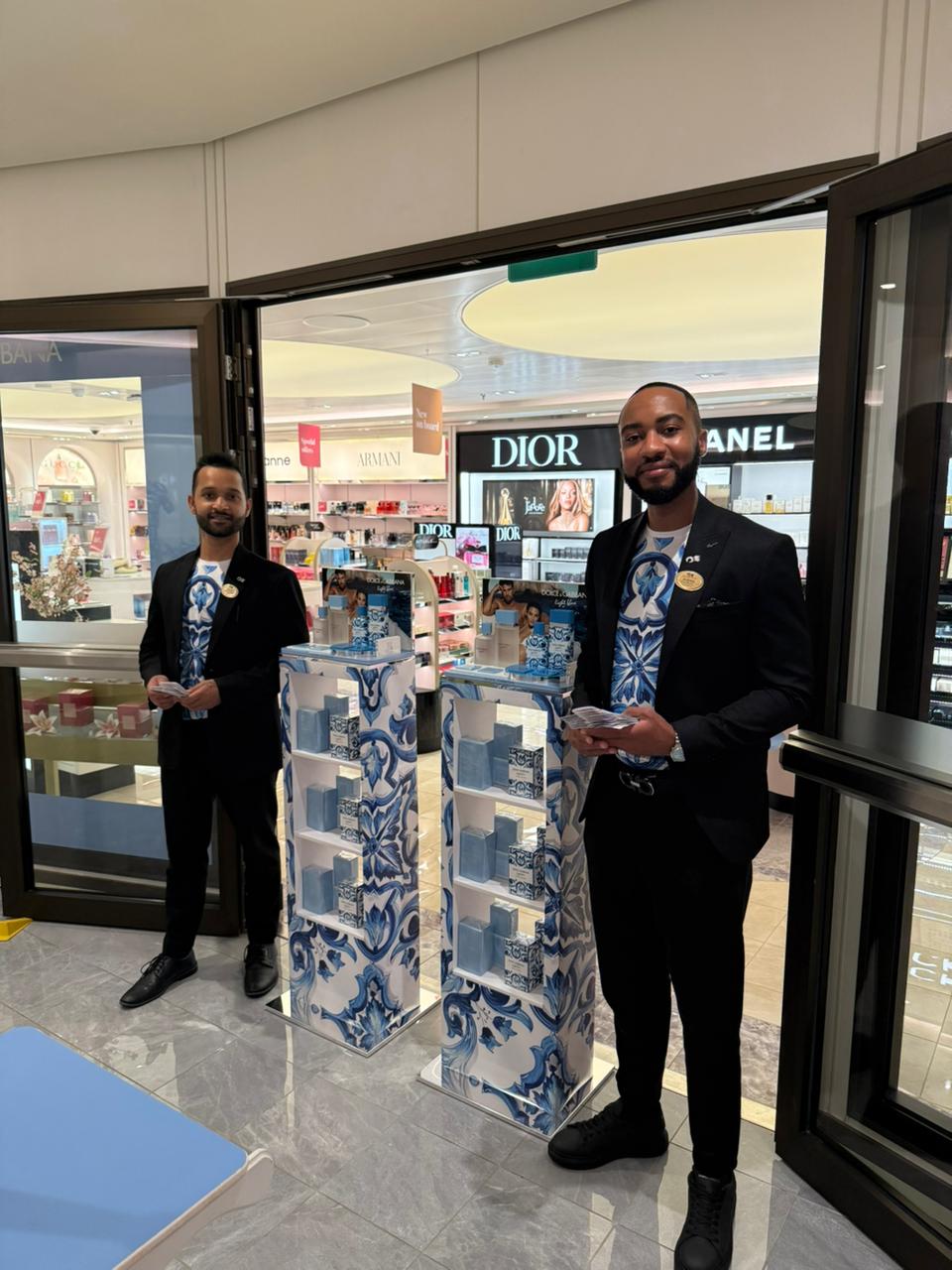
Of everything discussed in Barcelona, the finding that generated most agreement was also the most straightforward. The M1ndset research showed that 82% of cruise shoppers who interact with retail staff are influenced in their purchase decision. Not a marginal effect. Eight in ten guests, changed in what they buy, by a single conversation.
The industry sometimes talks about data and technology as though they replace people. Our experience runs in the opposite direction. The better your guest intelligence becomes, the more important a skilled, informed, well-supported team becomes. Because insight without someone brilliant in front of a guest is just a model on a server.
That is why our focus over the past two years has been on a deliberate effort to reduce the administrative burden on shipboard teams - with the specific intention of giving them more time in front of guests. We estimate that effort has returned 22% more guest-facing time to our colleagues over the past 18 months. And The Bridge, our task management tool that we are in the process of rolling out is projected to recover a further 20,000 hours of shipboard admin per year. Not as a metric worth celebrating in isolation, but because every one of those hours is time a colleague can spend with a guest who came onboard ready to spend.
The real difference
That is the work Harding+ brings to every partnership. Not insight as a report delivered after the voyage, but insight as a live operational input - shaping the range before the ship sails, adapting the activation as it unfolds, and giving our teams the time and tools to make the most of every guest interaction on board. The question is not whether you have access to good data. It is whether everything downstream of it - the range, the experience, the people - is ready when the guest is.
Curious how quickly insight becomes action in your retail operation?
Let’s talk →